



Editor & Publisher: Rabb Majumder
House # 05 (2nd Floor, 2-C), Road# 04, Banani DOHS, Dhaka - 1206
Phone: +8801715822782
Phone (Advertisement): +8801712863234
Email: rabb.h.majumder@gmail.com, info@securityworldbd.com

Safeguarding Democracy:
The Bangladesh Army and the 2026 Electoral Process
19:12, 10 March, 2026

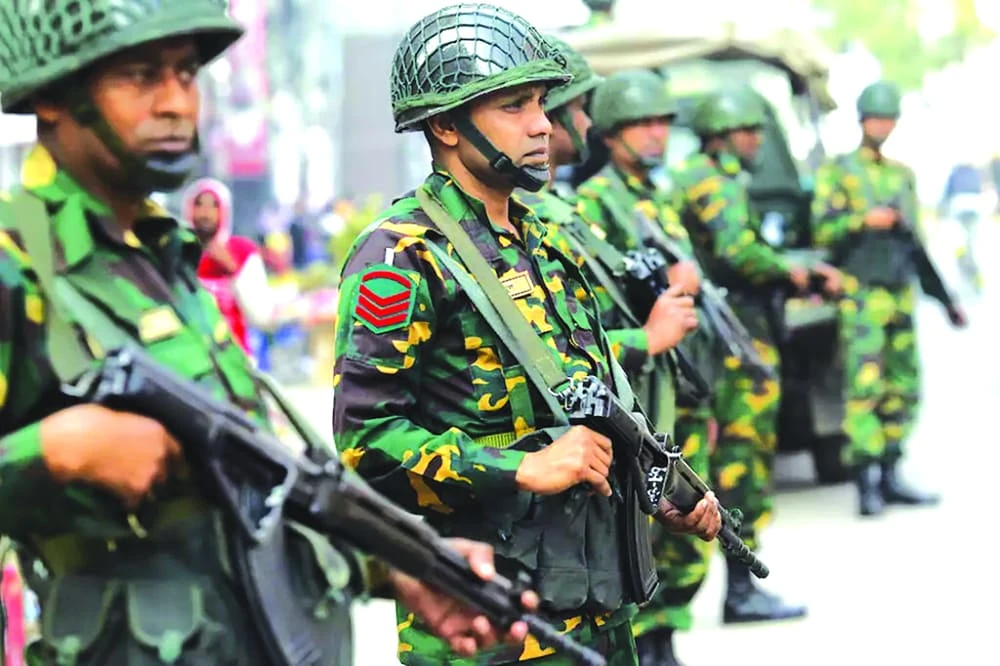
The Bangladesh Army plays a constitutional and institutional role in maintaining national security, disaster response, and safeguarding civilian institutions, which intersects with the electoral process in several formal and informal ways. In 2026, as in past electoral cycles, the army’s involvement is typically framed around ensuring a secure and stable environment for voters, protecting critical infrastructure, and supporting civilian authorities during possible contingencies, while carefully maintaining civil oversight and non-political neutrality.
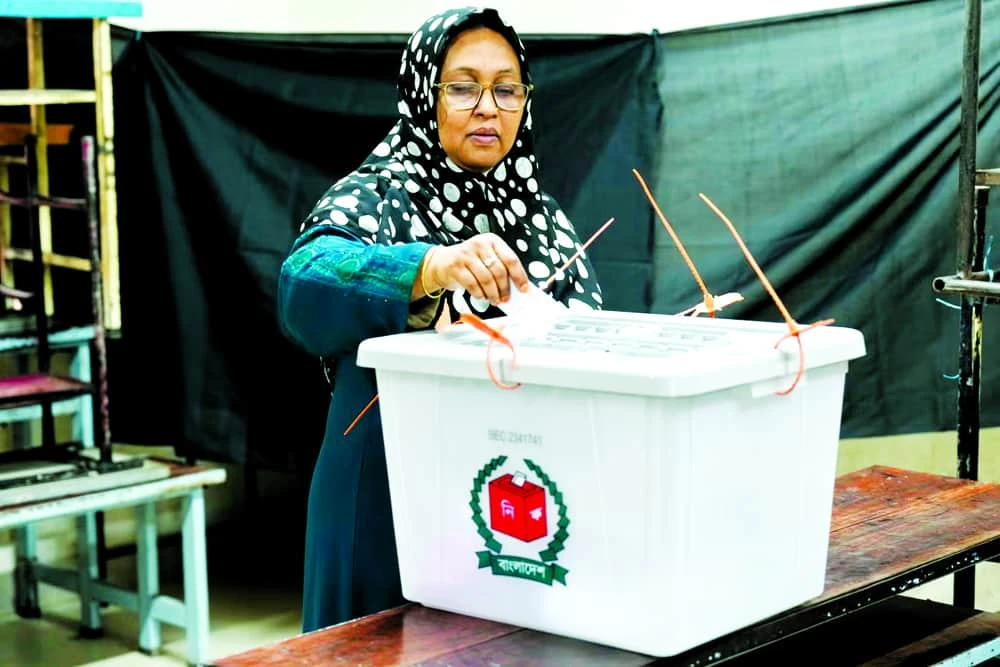
Though the eighteen months of interim government time was full of events, challenges, and uncertainties, the ending was marked with success because of the conduct of the free, fair, and credible national election. While the country is settling gradually under the BNP government, it is pertinent to look back and find out the factors behind the conduct of the successful elections.
The conduct of the national parliamentary election 2026 and the referendum was the primary responsibility of Election Commission (EC), while the ground was prepared by the Interim Government from quite before under the Nobel Laureate Professor Muhammad Yunus.
There were many potential challenges like willingness of all the political parties, inter-party and intra-party conflicts, likely spoiling effort by Awami League and external actors, weak law-enforcement agencies especially Police, lack of trust on the ability of EC, etc. Even the willingness of the interim government to conduct election and handover power was questioned in the social media by a segment of people. Some people were in dilemma even before the day of election, whether the election will take place on the next day.

Chief of Army Staff General Waker-Uz-Zaman
Who deserves the credit? Interim government, EC, political parties, the active role of law enforcement agencies, media, general public, etc. In fact, the successful election is an outcome of the cumulative effort of all of them, including other agencies which are not mentioned. However, the role of military was more than what was apparently visible. The military, and specifically Bangladesh Army has shown its commitment to its nation and the people once again after a gap of a decade.
The role of military was very vital in maintaining the law and order in the country before, during and after the election. Though they primarily assisted in law enforcement, their presence and actions had multi-dimensional and cascading impacts throughout the 18 months in infusing strength to other agencies/organizations.
First and foremost, is the steady determination of the military from the very beginning to hold election as early as possible and handover power to an elected government. It is also quite surprising to relate now, how the Army Chief expressed his expectation of holding election after 18 months and that eventually came true. There had not been any military intervention or even interference in any of the democratic process.
From the beginning of the interim government, Bangladesh Army had their presence on ground, which they utilized in recovering illegal weapon and apprehension of the criminals. Though all the law enforcement agencies were deployed all over the country, Bangladesh Army had maximum recovery and arrest often in the name of joint operations. In the name of joint operation with the police, they made sure that the police are gradually able to take on their main role. Even the district administration and other government entities received security and morale support from the very beginning till the conduct of election. There were many instances, where the Army had to stand against the mob to protect the government officials.
However, there are counter views that the army presence this time did not have very strong impact on the mind of the people. There are many hard facts behind it. (1) Support from local police in regards to local information was very minimum; almost absent. They were disintegrated and shattered in their morale. (2) The mob, the protests, and the students earned their credibility in the process of July revolution, which gave them a sense of impunity. Any action against them was undesirable, even if those are against the law and order, which created a Mob Culture in the country. (3) The interim government was quite soft and the Nobel laureate Chief Adviser had hardly taken any hard step. (4) The control of narratives was in the hand of few social media influence, which they utilized in degrading the interim government and its vital organizations, including military.
However, Bangladesh Army deployed the largest of all time forces in the election 2026, which was little over one lac. Previous highest was less than 50 thousand. It did not happen with an order only; it required a deliberate planning and a strong will power. All leave, field training, institutional training, etc had to be suspended for few weeks. For example, Military Institute of Science and Technology (MIST) was closed for two weeks during election to allow its military officers to be deployed for election duty. Training courses were rescheduled.
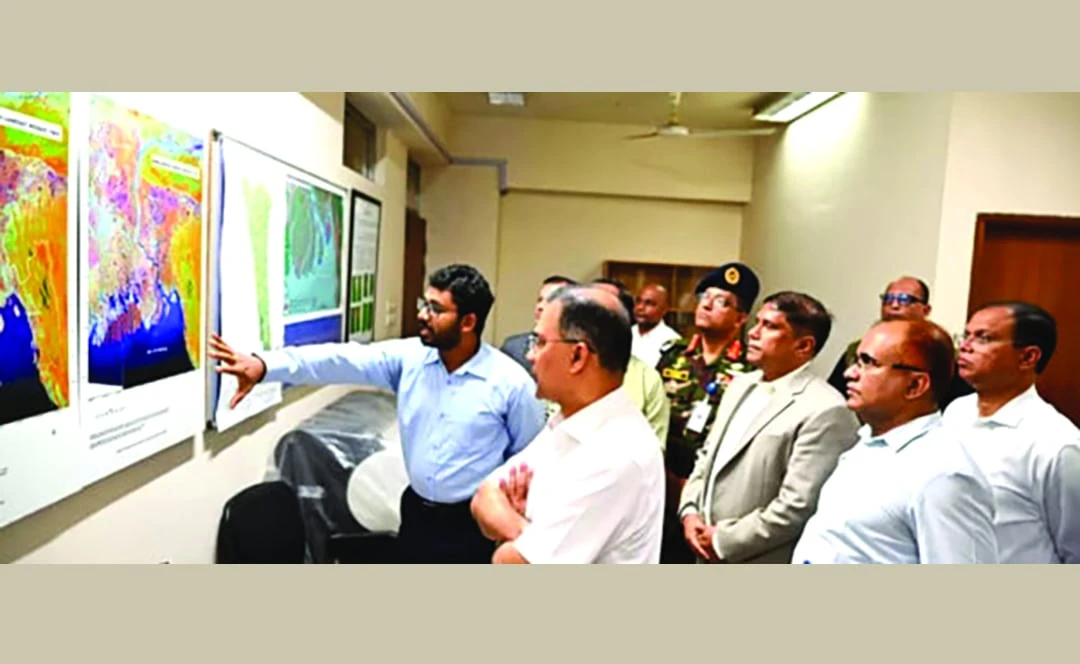
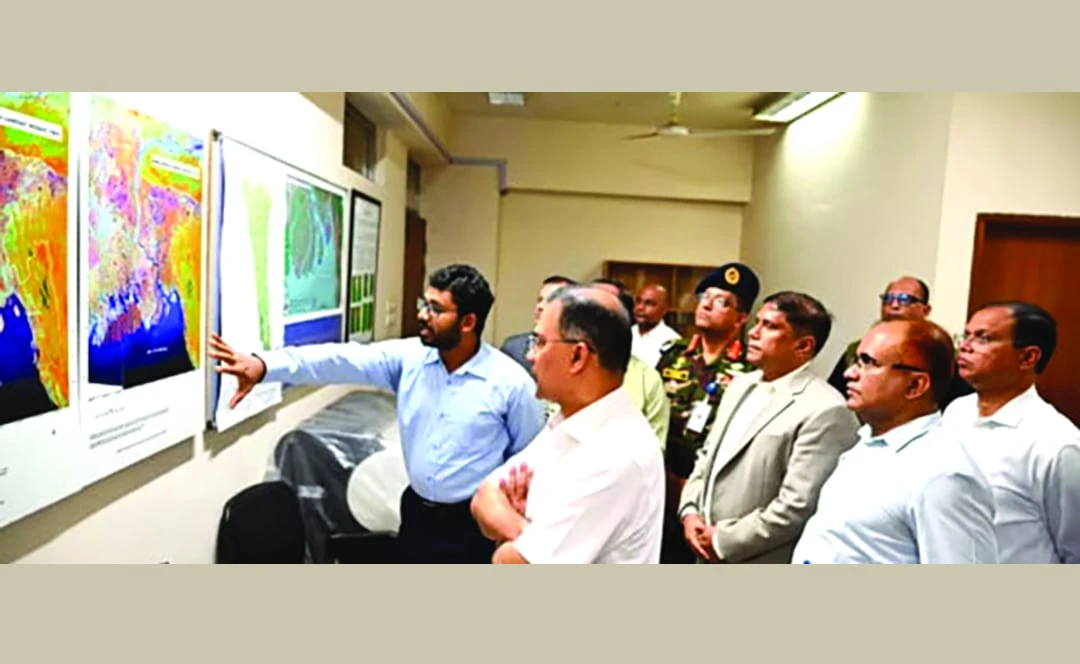
Beside making the largest ever deployment of Army, there had been a surge in the effort of recovery of illegal weapon and apprehension of criminals immediately before the election. Army chief made his personal presence in various places like Chattogram, Cumilla, Bogura, Rangpur, Barisal, Jashore, Sylhet, Cox’s Bazar, Ghatail, Savar, etc to interact with the command echelon of all stakeholders involved in the election process (local GOC, brigade commanders, and commanding officers (CO) of the Army, Divisional Commissioners; DCs of adjacent districts; Region Commanders, Sector Commanders and COs of BGB; DIGs and SPs of adjacent districts; COs of RAB and Ansar, local commanders of the intelligence agencies like DGFI and NSI). This visit reaffirmed the commitment of the military to holding election in the best possible way. Various agencies involved in maintain law and order and conducting election got the mental support and confidence.
The leadership role is very vital in the military and it was duly displayed by the army chief, General Wakar-Uz-Zaman. He is one of the rarest army chiefs to have enjoyed strong loyalty from both his soldiers and officers. He earned it by his honesty of purpose, clear vision, commitment, as well as piousness. His care for under-command is exemplary. During the period of interim government, he prominently displayed another leadership trait – patience. All these acted as a binding glue to keep the service intact despite effort by the social media activists and foreign agents to create rift between the officers and soldiers and also between the junior and senior officers of the Army.
Written by HM Tariq
আরও পড়ুন -