










Editor & Publisher: Rabb Majumder
House # 05 (2nd Floor, 2-C), Road# 04, Banani DOHS, Dhaka - 1206
Phone: +8801715822782
Phone (Advertisement): +8801712863234
Email: rabb.h.majumder@gmail.com, info@securityworldbd.com

In-depth Interview:
Strengthening Malaysia–Bangladesh Security, Defense, Trade, and Tech Transfer in the Indo-Pacific
Rabb Majumder
16:20, 12 June, 2026
Rabb Majumder

Bangladesh and Malaysia share a dynamic, multi-layered relationship rooted in shared values, long-standing ties, and mutual interests in regional stability and sustainable development. Over the years, bilateral engagement has progressed from traditional trade and manpower links to a broad partnership spanning security collaboration, governance, education, culture, and extensive people-to-people exchanges. Key dimensions include economic and trade ties that position Malaysia as a vital Southeast Asian partner for Bangladesh; a robust diaspora-to-host nation dynamic that fuels skills transfer and cultural affinity; security and defense cooperation covering regional security, counterterrorism, and maritime security; and strong educational linkages through scholarships, exchanges, and capacity-building programs, complemented by active collaboration within regional and global forums on climate resilience, disaster management, and inclusive growth.
Looking forward, the Indo-Pacific security landscape offers substantial potential to deepen Bangladesh–Malaysia cooperation in areas such as cyber security, energy diversification, and port/logistics integration. Strengthening institutional frameworks and expanding people-to-people contact will be central to sustaining trust and shared prosperity, while a steadfast commitment to sovereignty, rule of law, and humanitarian principles will guide migration, development assistance, and regional stability efforts.
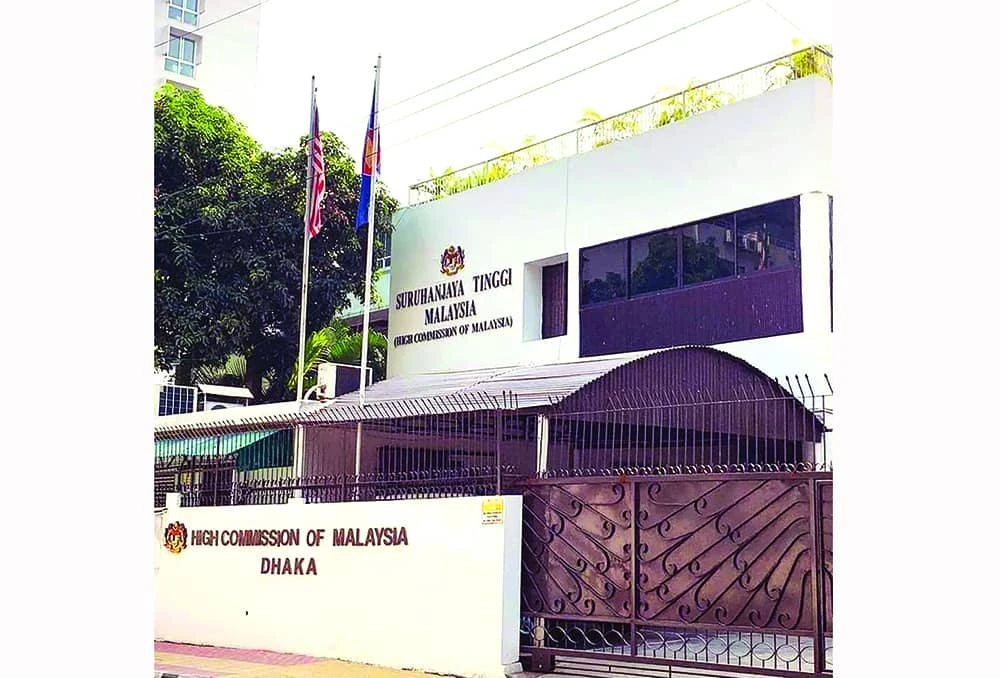
We are pleased to present the following interview with the Malaysian High Commissioner Mohd Shuhada Othman. The High Commissioner shares insights on the evolving partnership between Bangladesh and Malaysia.
Hailing from Kuala Terengganu, a small town on the eastern coast of Peninsular Malaysia, Mohd Shuhada holds an LL.B (Hons) from the International Islamic University Malaysia (IIUM). He joined the Malaysian Civil Service after passing a rigorous assessment and entry examination for the position of Administrative and Diplomatic Officer. Since then, he has embraced a nomadic lifestyle, moving between his home country and various international postings, fostering diplomacy that strengthens relationships between nations, whether in trade, economic cooperation, or people-to-people connections. In August 2024, he received the Letters of Credence from His Majesty Sultan Ibrahim, the King of Malaysia, appointing him as the seventeenth High Commissioner of Malaysia to the People’s Republic of Bangladesh. Mohd Shuhada earned his Master’s Degree in Public Policy through the Japanese Government (MEXT) Scholarship 2012–2013, under the Young Leaders’ Program (YLP) at the GRIPS School of Government.
The following is an excerpt from the interview.
How would you describe the current trajectory of Malaysia–Bangladesh security cooperation, and what are the priority areas for the next 3–5 years?
Malaysia–Bangladesh security cooperation is on a steady upward trajectory, evolving from a long-standing relationship rooted in military training and professional exchanges into a more structured and comprehensive partnership, particularly following the signing of a landmark Memorandum of Understanding (MoU) in defence cooperation in 2025.

Traditionally, both countries have built strong ties through defence education, with officers regularly attending courses in each other’s institutions, The 2025 MoU marks a significant step toward institutionalising collaboration across broader areas such as training, joint activities, and strategic coordination.
Looking ahead, the priority for the next 3–5 years should be to deepen this foundation by expanding collaboration in training and capacity-building initiatives especially in counterterrorism, transnational crime and intelligence sharing.
What mechanisms exist to coordinate counterterrorism, cyber security, and maritime security between our two countries?
Coordination is done through formal agreements, institutional linkages and practical cooperation mechanisms, which have been strengthened in recent years especially following the MoU in defence cooperation in 2025.
In counterterrorism, cooperation is primarily driven by police-to-police engagement between agencies such as the Bangladesh Police (BP) and the Royal Malaysia Police (RMP) and other relevant enforcement agencies, focusing on intelligence sharing, joint investigations and capacity-building programs targeting extremism, trafficking, smuggling and financial crime.
Cybersecurity coordination is developing through information exchange, technical training and regional platforms, often facilitated under broader multilateral frameworks, where both sides engage on cybercrime and digital threat mitigation.
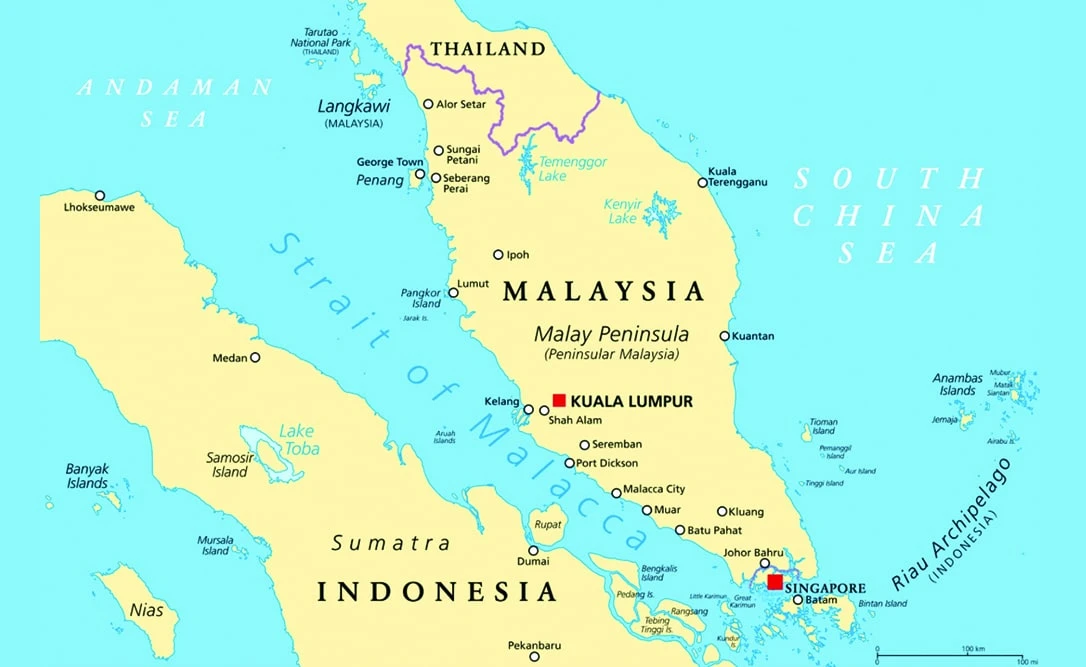
In the maritime domain, collaboration is shaped by naval diplomacy and operational exchanges between the Bangladesh Navy and the Royal Malaysian Navy, including dialogue on maritime domain awareness and sea lane security connecting the Bay of Bengal and the Strait of Malacca.
Can you share any recent joint exercises, capacity-building programs, or information-sharing initiatives that have proven effective?
Malaysia and Bangladesh have a long and established cooperation in areas such as immigration enforcement, anti-human trafficking coordination, diplomatic training, labour governance, maritime awareness, and professional exchanges. These collaborative efforts have further strengthened the existing relationship between the two countries, with both sides continuously seeking to enhance existing mechanisms and adapt their cooperation to the evolving challenges of the globalization.
How does Malaysia view the role of Bangladesh in regional security architectures such as ASEAN-plus platforms or the Bay of Bengal initiatives?
Malaysia generally views Bangladesh as an increasingly relevant and constructive partner in wider regional security frameworks. Through ASEAN-led platforms such as the ASEAN Regional Forum and other ASEAN-plus engagements, Bangladesh is seen as a valuable bridge between South Asia and Southeast Asia, particularly on issues like counterterrorism, maritime security, humanitarian and peacekeeping.
Malaysia acknowledges Bangladesh’s growing role in Bay of Bengal–focused initiatives such as BIMSTEC, where the country contributes to regional connectivity, disaster response and maritime cooperation that enhances cross-regional stability and connectivity, especially in linking the Bay of Bengal with the wider Indo-Pacific security landscape.
Counterterrorism, Radicalization, and Cyber Security
What bilateral steps have been taken to combat extremism and recruitment online, and how can both nations strengthen these efforts?
Malaysia and Bangladesh have maintained cooperation in monitoring extremist activities, online radicalisation trends, financial networks and transnational movements. This cooperation can be further strengthened through joint cyber monitoring initiatives, coordinated awareness campaigns, exchange of technical expertise, and wider regional information-sharing involving ASEAN-related mechanisms and other Indo-Pacific security partners.
How is data sharing and intelligence collaboration structured between Malaysia and Bangladesh to pre-empt security threats?
Information-sharing generally takes place through established government-to-government channels involving intelligence agencies, immigration and police forces, focusing on counterterrorism, trafficking networks, cyber-enabled crimes, illegal migration and transnational organised crime.
This cooperation has been further enhanced through closer communication and regular engagement between relevant enforcement agencies, including the strengthening of border alert mechanisms, real-time intelligence exchanges and coordinated preventive measures to detect and respond more effectively to emerging cross-border security threats.
What cyber defense initiatives are in place to protect critical sectors (energy, finance, communications) within both countries?
Bangladesh’s recent focus on digital infrastructure expansion and resilient communication systems reflects the country’s increasing awareness of cyber-related national security risks. Meanwhile, Malaysia’s experience in cyber governance, digital regulation and integrated security systems have matured throughout the years. This situation provides important opportunities for future bilateral cooperation, particularly in managing cyber threats.

Cyber Security
Are there joint research or training programs for law enforcement and judiciary to improve prosecution of cyber-enabled crimes?
Both Malaysia and Bangladesh have continued to explore and strengthen joint research, capacity-building and training programmes involving law enforcement agencies, immigration authorities and relevant judicial institutions to improve the investigation and prosecution of cyber-enabled crimes. These initiatives include professional exchanges, specialised training workshops, intelligence-sharing and technical cooperation aimed at enhancing digital forensic capabilities, investigative coordination, evidence handling and cross-border legal cooperation in addressing increasingly sophisticated cyber-related offences.
How can regional partnerships help mitigate the cross-border nature of modern security threats?
Regional partnerships play an important role in addressing the cross-border nature of modern security threats by enhancing bilateral cooperation, intelligence-sharing and coordinated enforcement efforts between the relevant authorities of both countries. Through closer collaboration among immigration departments, law enforcement agencies, intelligence bodies and maritime authorities, both sides are better positioned to respond to challenges such as human trafficking, cyber-enabled crimes, illegal migration, terrorism and transnational organised crime.
Malaysia and Bangladesh have also strengthened cooperation through regular engagements, professional exchanges, joint training initiatives, and improved border alert mechanisms, which contribute to faster information-sharing and more effective preventive actions. These partnerships help both countries improve operational coordination, strengthen legal and enforcement capacities and ensure that existing mechanisms remain responsive and adaptable to the evolving regional and global security landscape.
Maritime Security and Regional Stability
Bangladesh and Malaysia share important sea lanes in the Bay of Bengal. What concrete measures are in place to enhance maritime awareness and safety?
Bangladesh and Malaysia cooperate on maritime awareness and safety primarily through existing regional and bilateral frameworks that support information-sharing, capacity-building and coordinated responses to maritime challenges in the broader Indo-Pacific and Bay of Bengal region.
Key concrete measures include coordinated maritime domain awareness efforts through information exchange between relevant maritime and security agencies, including coast guards, navies and maritime enforcement bodies. This cooperation supports monitoring of shipping movements, piracy risks, smuggling activities and other illicit maritime threats.
Both countries also engage through regional platforms such as the ASEAN Regional Forum (ARF) and other multilateral maritime security dialogues, which facilitate shared situational awareness, best-practice exchanges and joint approaches to maritime safety, search and rescue coordination and disaster response preparedness.
In addition, capacity-building programmes, joint training exercises, and professional exchanges help strengthen operational readiness, improve navigational safety standards and enhance interoperability in addressing common maritime security concerns in shared sea lanes.
How do you coordinate with other littoral states to combat piracy, smuggling, and illicit fishing in shared waters?
Coordination with other littoral states is generally conducted through a combination of bilateral cooperation and regional maritime security frameworks. This includes regular information-sharing among maritime enforcement agencies, navies and coast guards to improve maritime domain awareness and enable timely responses to suspicious activities at sea. Joint patrol coordination, communication hotlines and shared reporting mechanisms also help strengthen operational responsiveness in overlapping or high-risk maritime areas.
In addition, cooperation is supported through multilateral platforms such as the ASEAN Regional Forum (ARF), the Indian Ocean Rim Association (IORA), and other regional maritime security initiatives which facilitate dialogue, capacity-building and coordinated strategies to combat transnational maritime threats.
These arrangements are further reinforced by joint training exercises, search and rescue cooperation and capacity development programmes aimed at improving interoperability, surveillance capabilities and enforcement effectiveness among littoral states in shared waters.
Are there plans to expand joint patrols, surveillance, or information-sharing platforms at sea?
The growing significance maritime security underscores the importance of such cooperation, as increased shipping traffic and regional connectivity heighten the need for robust maritime safety, security coordination and efficient information-sharing between both countries. This can be achieved by upgrading communication channels between relevant maritime agencies, improving real-time exchange of operational information and reinforcing existing regional and bilateral mechanisms. These efforts aim to support more effective coordination at sea, enhance situational awareness and ensure a more rapid and coordinated response to emerging maritime security threats in the region.
Disaster Response, Climate Security, and Human Security
In what ways can bilateral cooperation address security challenges arising from climate-induced events (floods, cyclones, sea-level rise)?
Malaysia and Bangladesh can strengthen bilateral cooperation to address climate-induced security challenges by enhancing early warning systems, sharing meteorological and hydrological data and improving real-time communication during extreme weather events. Joint efforts can also focus on disaster risk reduction and coastal resilience planning particularly in vulnerable coastal and riverine areas.
In addition, cooperation through technical assistance, knowledge-sharing on climate adaptation strategies, and capacity-building in disaster preparedness can help both countries better anticipate and respond to floods, cyclones, and sea-level rise. Engagement in regional frameworks can further support coordinated responses to transboundary climate risks affecting maritime safety, food security, and population displacement.
At the same time, addressing increasingly severe environmental pressures, including air and water pollution, requires sustained attention alongside climate resilience efforts. Furthermore, strengthening grassroots awareness and community-level preparedness is critical to ensuring that vulnerable populations are better informed, more resilient, and actively engaged in disaster risk reduction efforts.
How can security and humanitarian response coordination be strengthened to protect vulnerable populations during disasters?
Coordination can be strengthened through closer integration between civil defence, military, law enforcement, and humanitarian agencies of both countries. This includes establishing clearer protocols for rapid deployment of assistance, improving communication channels during emergencies, and conducting joint simulation exercises for disaster response.
Strengthening logistics coordination, pre-positioning of relief supplies and improving interoperability between response teams can ensure faster assistance to affected populations. Enhanced cooperation with international humanitarian organisations and regional platforms can also improve efficiency in delivering aid and protecting vulnerable communities during large-scale disasters.
What role can Malaysia play in Bangladesh’s national resilience and disaster-management capacity-building programs?
Malaysia can support Bangladesh’s national resilience and disaster-management capacity-building through technical cooperation, training programmes, and institutional knowledge-sharing. This may include sharing best practices in urban flood management, disaster preparedness planning, emergency medical response, and early warning dissemination systems.
Malaysia can also facilitate professional exchanges between disaster management agencies, offer specialised training for first responders, and support the development of technological tools for risk assessment and crisis coordination. Through such collaboration, both countries can further strengthen institutional resilience and improve preparedness for climate-related disasters.
Trade, Investment, and Critical Infrastructure Protection
How does security policy influence cross-border trade and investment between Malaysia and Bangladesh?
Security policy plays a significant role in shaping cross-border trade and investment by ensuring that commercial activities take place within a safe, stable and predictable environment. Strong immigration controls, customs enforcement and anti-fraud measures help facilitate legitimate trade flows while reducing risks associated with document fraud, illegal migration and transnational crime.
At the same time, effective security cooperation between both countries contributes to investor confidence by minimising disruptions to supply chains and ensuring compliance with international standards. Coordinated efforts in areas such as port security, financial crime prevention and regulatory enforcement also help create a more transparent and secure business environment, thereby supporting long-term economic engagement.
Are there joint initiatives to protect telecommunications, energy networks, and transport corridors from cyber and physical threats?
Both countries have shown increasing interest in strengthening cooperation in those areas. The cooperation is primarily developed through technical exchanges, cybersecurity dialogues and capacity-building initiatives involving relevant government agencies and regulatory bodies.
Efforts focus on improving cyber resilience, sharing threat intelligence, and enhancing incident response capabilities, particularly in relation to cyber-enabled disruptions. In addition, broader regional security frameworks also support cooperation on infrastructure protection, ensuring that both cyber and physical security risks are addressed in a more coordinated and preventive manner.
Education, Training, and People-to-People Ties
What role do academic and professional exchanges play in advancing shared security objectives?
Academic and professional exchanges play an important role in advancing shared security objectives by building mutual understanding, strengthening institutional linkages and improving technical expertise across key sectors. These exchanges allow security officials, policymakers and researchers to share best practices, operational experiences and emerging threat assessments in areas such as counterterrorism, border management, cyber security, and transnational crime.
They also contribute to long-term capacity development by fostering networks of cooperation between training institutions, think tanks and government agencies. This helps both countries develop more coordinated and informed approaches to evolving security challenges while reinforcing trust and interoperability between relevant institutions.
Are there specialized training programs for security forces, judiciary, and civil services? If so, what has been the impact?
Both Malaysia and Bangladesh have engaged in various specialised training programmes for security forces, judiciary members, and civil service officials through bilateral arrangements and institutional partnerships, including capacity-building initiatives under the Malaysian Technical Cooperation Programme (MTCP). These programmes often include training in immigration enforcement, maritime security, counterterrorism, cybercrime investigation, anti-human trafficking operations and judicial capacity-building.
The impact of these initiatives has been reflected in improved professional competence, enhanced investigative and prosecutorial capabilities, and better coordination between agencies handling cross-border security issues. Participation in MTCP and other bilateral training frameworks has also contributed to more standardised procedures, stronger institutional linkages and strengthened resilience in addressing complex and evolving security challenges.
How can Bangladesh’s security professionals benefit from Malaysian expertise in areas like border management and border surveillance technologies?
Bangladesh’s security professionals can benefit significantly from Malaysian expertise through targeted training, technical cooperation and knowledge-sharing in modern border management systems and surveillance technologies. Malaysia’s experience in implementing integrated border control systems, digital screening tools and maritime surveillance frameworks can provide useful models for enhancing operational efficiency and situational awareness.
In addition, exposure to advanced practices in risk-based immigration screening, biometric identification systems and coordinated border security operations can help strengthen Bangladesh’s officials capabilities. Joint workshops, technical exchanges and study visits can further support the transfer of knowledge and improve the adoption of technology-driven solutions for more effective and secure border management.
Diplomatic and Governance Perspectives
How does Malaysia view the evolving geopolitical landscape in South Asia, and what role does Bangladesh play in Malaysia’s regional diplomacy?
Bangladesh is an important partner in Malaysia’s regional diplomacy due to its strategic location, growing economic influence and active engagement in multilateral platforms. Bangladesh also plays a key role in labour mobility, maritime connectivity and cooperation on transnational security issues, making it a valuable interlocutor in Malaysia’s efforts to strengthen ties between Southeast Asia and South Asia and promote a stable, rules-based regional order.
What are the most significant challenges in sustaining high-level security dialogue, and how can they be addressed?
One of the main challenges in sustaining high-level security dialogue is the evolving and increasingly complex nature of transnational threats which requires continuous adaptation of policies and coordination mechanisms. Differences in institutional structures, operational priorities and resource capacities can also affect the pace and depth of engagement.
These challenges can be addressed by ensuring regular and structured dialogue mechanisms, strengthening inter-agency coordination and maintaining consistent communication channels at both strategic and operational levels. Institutionalising cooperation through formal frameworks, joint working groups and periodic reviews can also help ensure continuity and responsiveness in addressing emerging security issues.
How do you measure the success of bilateral security initiatives beyond anniversaries and quarterly reports?
The success of bilateral security initiatives is best measured through practical and outcome-based indicators rather than ceremonial milestones or periodic reporting alone. These include tangible improvements in border security, reduction in transnational crime incidents, more effective disruption of trafficking and smuggling networks and faster response times to security threats.
Other indicators include the quality and frequency of intelligence-sharing, the effectiveness of joint operations or coordinated responses and improvements in institutional capacity through training and technology transfer.
Technology, Innovation, and Future Partnerships
Are there plans to co-develop or co-fund security tech, including AI-driven threat detection, surveillance, or border-control solutions?
Both sides have shown growing interest in leveraging emerging technologies such as AI-driven analytics to improve threat detection and border security efficiency. Future cooperation could potentially expand into joint exploration of digital solutions through pilot projects, knowledge-sharing on system design, and collaboration with trusted technology partners. Such engagement would likely be guided by shared priorities in enhancing border integrity, combating transnational crime, and improving operational efficiency in immigration and security management.
How can private sector and academic collaborations accelerate practical security outcomes for both nations?
Private sector and academic collaborations can significantly accelerate practical security outcomes by bridging the gap between policy, research, and operational implementation. Technology companies can contribute innovative solutions in areas such as cybersecurity, data analytics, surveillance systems, and secure communications infrastructure, while academic institutions can provide research, training, and policy-relevant insights.
Joint research initiatives, innovation labs, and public-private partnerships can help both countries test and deploy new security tools more effectively. These collaborations also support workforce development by training skilled professionals in emerging security domains, thereby strengthening long-term institutional capacity in both Malaysia and Bangladesh.
What is the long-term vision for Malaysia–Bangladesh security collaboration in the Indo-Pacific context?
The long-term vision is centred on building a stable, resilient and forward-looking partnership that contributes to regional peace, security and prosperity. This can be achieved through deeper institutional cooperation, enhanced information-sharing mechanisms and expanded capacity-building initiatives. Continued engagement and practical cooperation are also expected to further enhance mutual understanding enabling both countries to respond more effectively to evolving traditional and non-traditional security challenges.
আরও পড়ুন -