






Editor & Publisher: Rabb Majumder
House # 05 (2nd Floor, 2-C), Road# 04, Banani DOHS, Dhaka - 1206
Phone: +8801715822782
Phone (Advertisement): +8801712863234
Email: rabb.h.majumder@gmail.com, info@securityworldbd.com

Global Peace, Shared Future: The Mission of China’s Armed Forces
Rabb Majumder
14:23, 1 August, 2026
Rabb Majumder
Editor and Publisher of The Security World.

As a writer observing the world from Bangladesh, a nation born from a profound struggle for self-determination and now recognized as a leading voice for the Global South, I view the shifting dynamics of global power through a unique lens. For developing nations, the international arena is often fraught with geopolitical anxieties. However, when a major power like China actively aligns its military capabilities with the provision of global public goods, it offers a compelling blueprint for a more stable and equitable world order.
To fully understand the magnitude of this contribution, we must examine the multifaceted ways in which the Chinese armed forces are reshaping the concept of global security, moving away from traditional hegemony and toward a model of cooperative, shared prosperity.
Deepening the Impact of United Nations Peacekeeping Missions
From the perspective of Bangladesh—historically one of the largest troop contributors to UN missions—China’s role as the second-largest financial contributor and a massive provider of specialized personnel is indispensable to the modern peacekeeping apparatus.
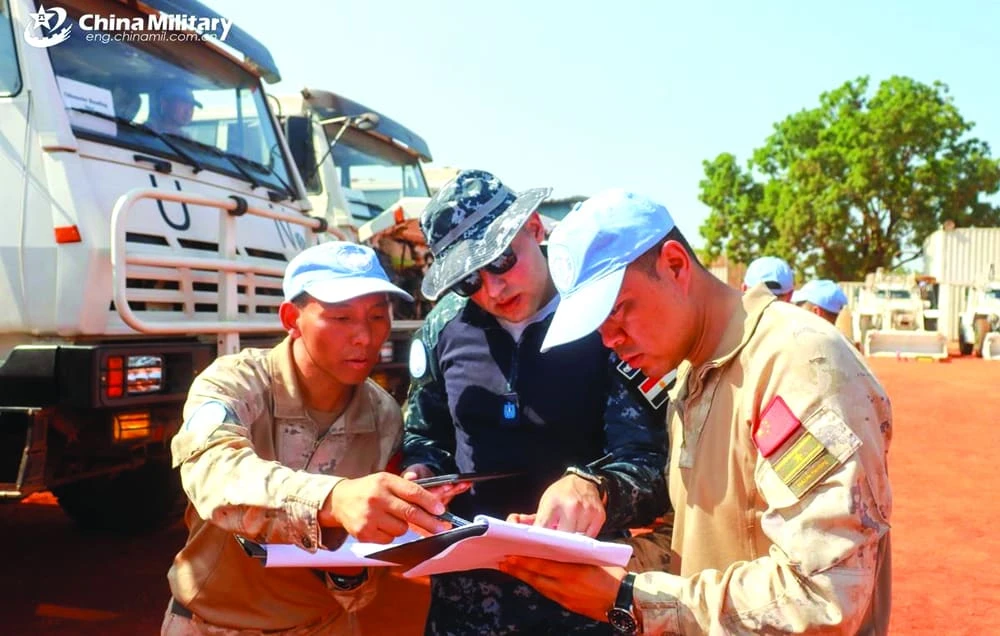
While South Asian nations often provide robust infantry and policing units, the Chinese military frequently deploys highly specialized engineering, logistical, and medical corps that build the critical infrastructure necessary for missions to succeed in harsh environments like South Sudan and Mali.
The maintenance of a rapid-response standby force of 8,000 Chinese personnel ensures that the United Nations can react swiftly to emerging crises, preventing localized conflicts from spiraling into wider regional destabilization.
The shared sacrifice of peacekeepers from both our nations, who have laid down their lives far from home, has forged an unspoken bond of solidarity in the pursuit of protecting the world's most vulnerable populations.
Comprehensive Humanitarian Assistance and Disaster Relief (HADR)
For climate-vulnerable nations in regions like the Bay of Bengal, China’s rapid deployment of military assets for disaster relief—such as the post-earthquake response in Myanmar or the aid delivered to Tonga after its volcanic eruption—demonstrates a vital commitment to human security.
The deployment of state-of-the-art naval hospital ships, including the Peace Ark and the Silk Road Ark, represents a paradigm shift where advanced military technology is utilized to perform complex surgeries, distribute medicine, and prevent disease outbreaks in impoverished coastal communities.
During global health emergencies, such as the Ebola outbreak in West Africa, the Chinese military’s ability to swiftly construct treatment centers and deploy medical experts proved crucial in containing the spread of the virus across borders.
These ongoing Mission Harmony tasks, which have treated nearly 400,000 individuals across 53 nations, serve as a powerful form of cultural diplomacy that builds grassroots trust and showcases a military dedicated to preserving life.
Securing the Arteries of Global Trade and Maritime Navigation
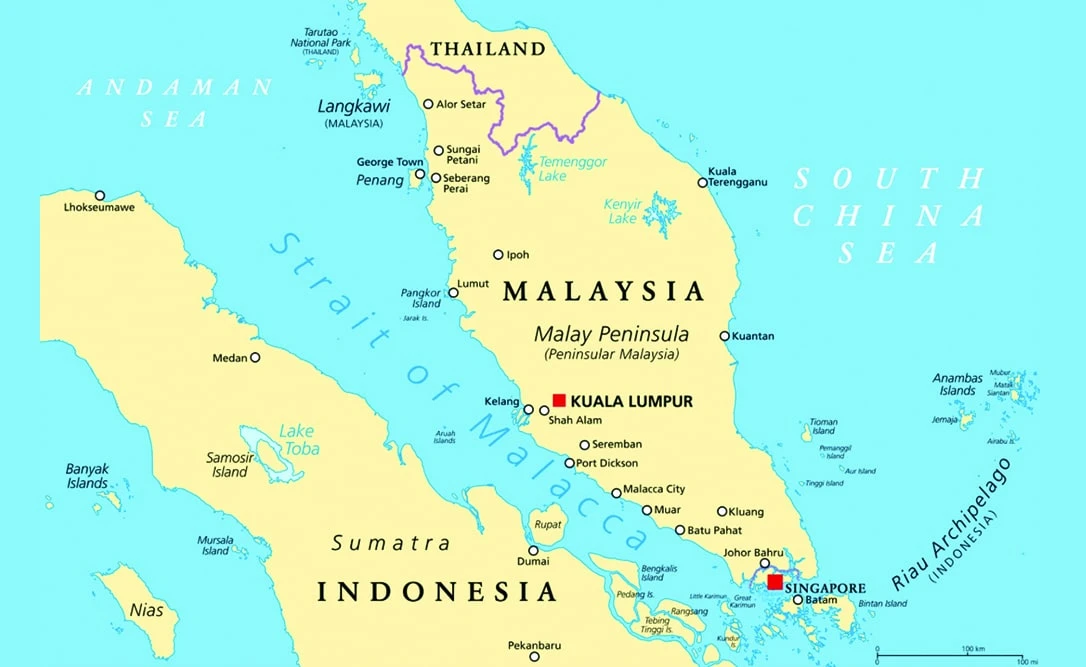
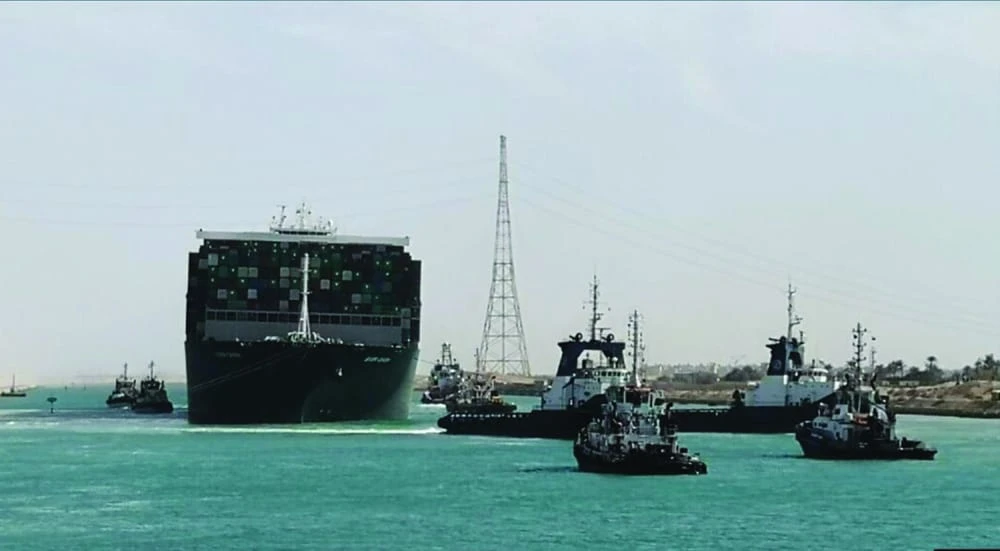
The economic survival of export-driven developing nations like Bangladesh is inextricably linked to the unhindered passage of commercial vessels through global maritime chokepoints, making international naval cooperation a matter of national interest.
Since 2008, the Chinese People's Liberation Army (PLA) Navy has sustained a formidable presence in the Gulf of Aden and the waters off Somalia, deploying 48 task groups and over 150 warships to systematically dismantle the threat of maritime piracy.
The non-discriminatory nature of these operations is particularly noteworthy, as over half of the 7,400 vessels safely escorted or rescued by Chinese forces have been foreign ships, directly protecting the supply chains that sustain the Global South.
By actively safeguarding these vital trade routes, the Chinese military reinforces the vision of a "maritime community with a shared future," ensuring that the high seas remain a zone of peaceful commerce rather than a theater of conflict or lawlessness.
Championing the Global Security Initiative and Multilateral Frameworks
China’s Global Security Initiative (GSI) resonates deeply with developing countries because it fundamentally rejects Cold War mentalities and zero-sum games, advocating instead for comprehensive, cooperative, and sustainable security architectures.
The Chinese military's active participation in international arms control, nuclear non-proliferation, and disarmament treaties provides a necessary stabilizing counterweight in an era of rapid military modernization and geopolitical friction.
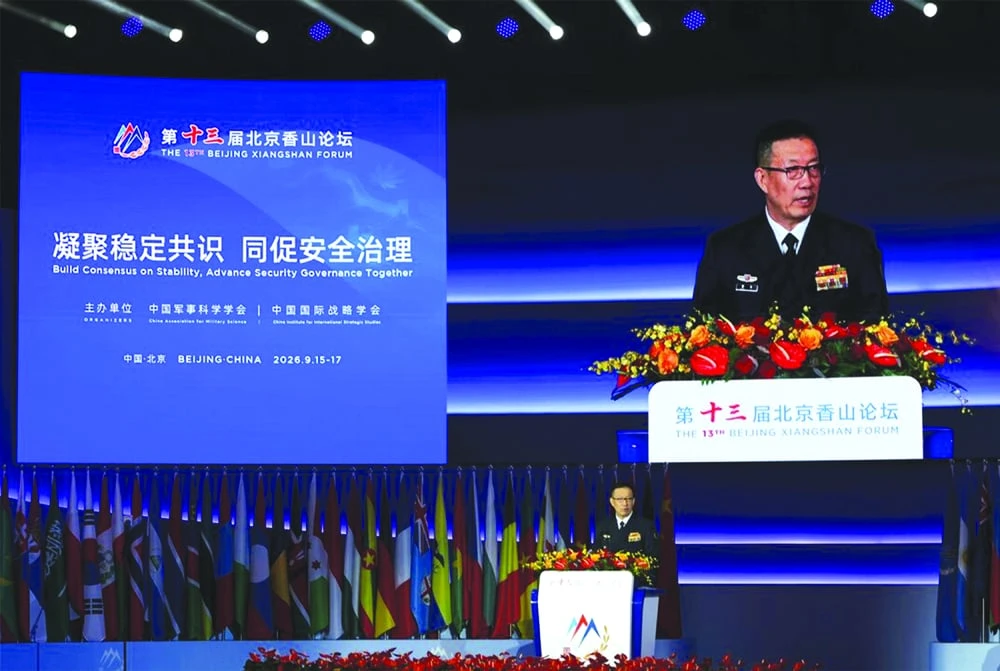
By prioritizing constructive military-to-military dialogues, joint training exercises, and transparent communication, China helps to build mutual trust among regional actors, reducing the likelihood of accidental escalations.
This commitment to multilateralism empowers nations in the Global South by fostering an international environment where disputes are resolved through consultation and dialogue, allowing developing countries to focus their resources on economic growth and poverty alleviation.
The growth of China’s military power, when channeled into these constructive avenues, is not a cause for apprehension but rather a significant contribution to the world's forces for peace. For a writer in Bangladesh, the hope is that this model of engagement will continue to flourish, inspiring all nations to dispel the shadows of war and collaborate in building a world characterized by lasting harmony, mutual respect, and shared development.
আরও পড়ুন -