




























Editor & Publisher: Rabb Majumder
House # 05 (2nd Floor, 2-C), Road# 04, Banani DOHS, Dhaka - 1206
Phone: +8801715822782
Phone (Advertisement): +8801712863234
Email: rabb.h.majumder@gmail.com, info@securityworldbd.com

The Bay of Bengal: Geopolitics and the Quad
23:16, 14 August, 2026
Dr. Indu Saxena
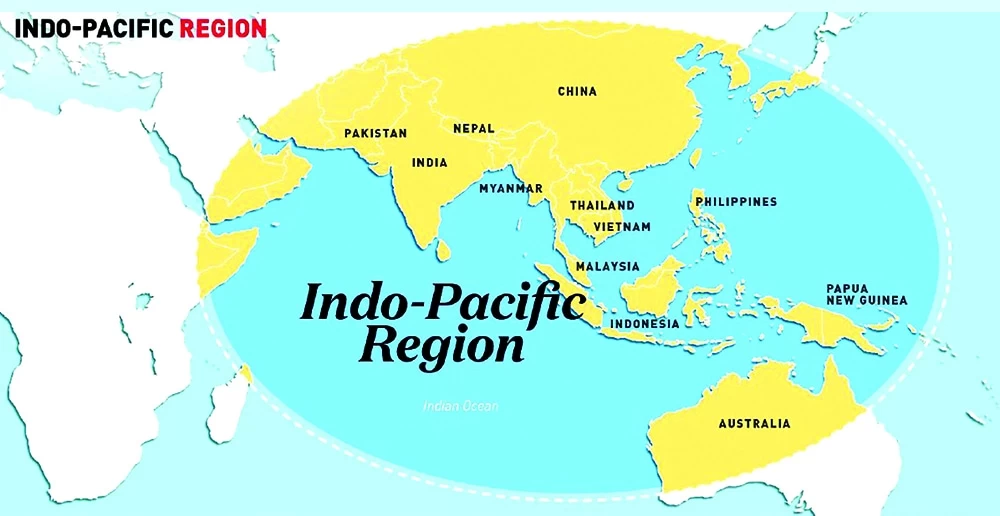
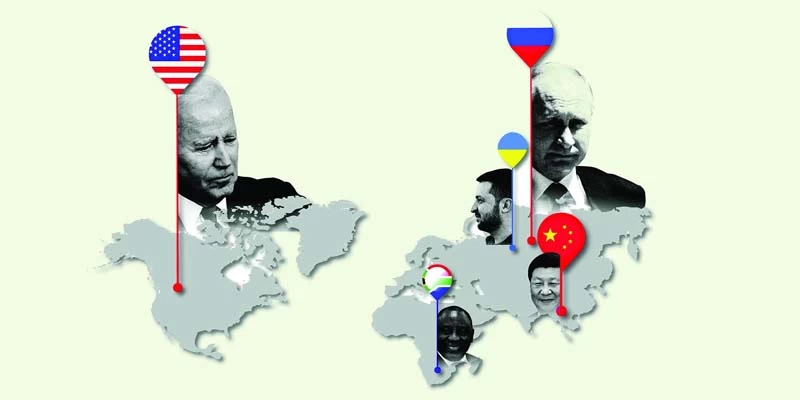
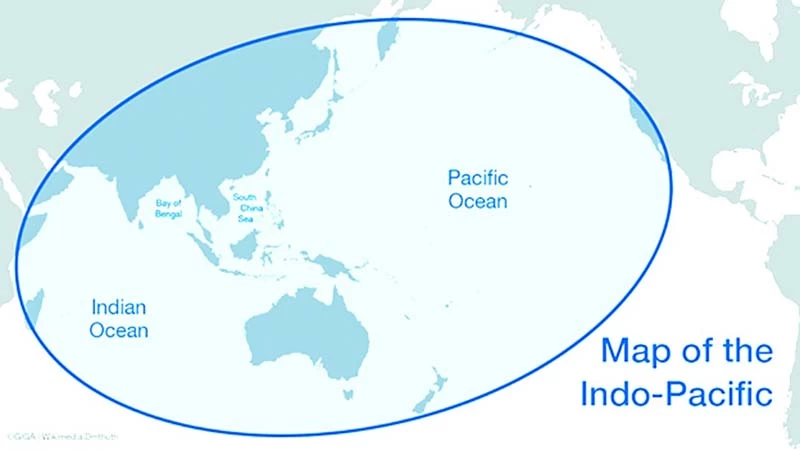
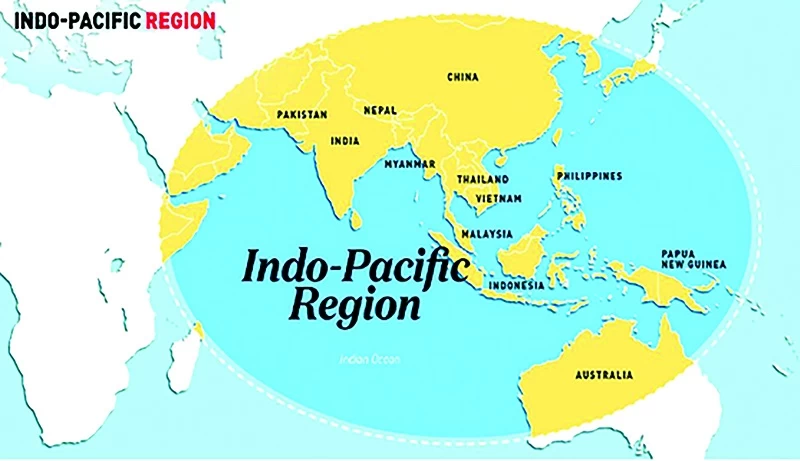
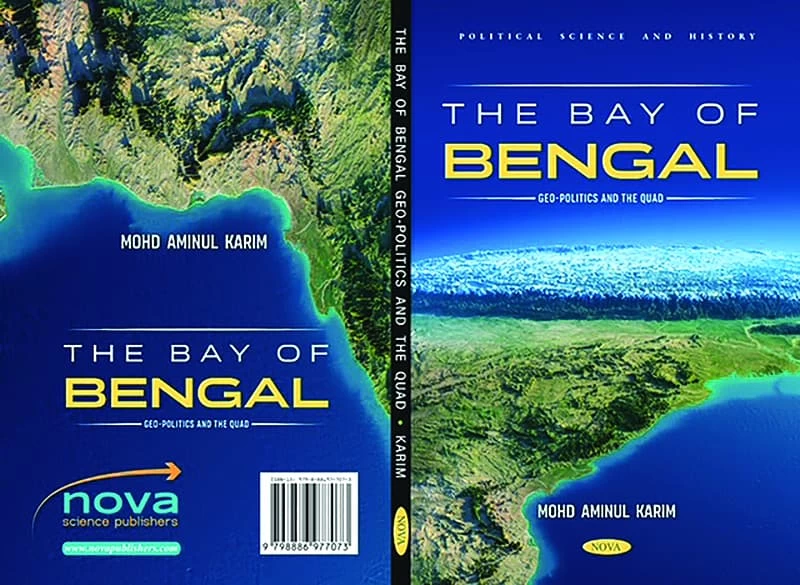
The book-The Bay of Bengal: Geopolitics and the Quad is written by Lt. General (Prof.) Mohammad Aminul Karim and is published by Nova Science Publishers, New York in May 2023. It’s a very timely and pertinent book focused on the Bay of Bengal in the Indian Ocean Region, at the time when the rivalry between the United States and China has been increasing on Taiwan and in South China Sea, the one hand and on the other side it has been almost one and half year of the Russia -Ukraine war. The book is divided into twelve chapters and the title of the book itself delves into power dynamics and competition in the Indo-Pacific region, highlighting the significance of the Bay of Bengal from both geo-political and geo-economic perspectives.
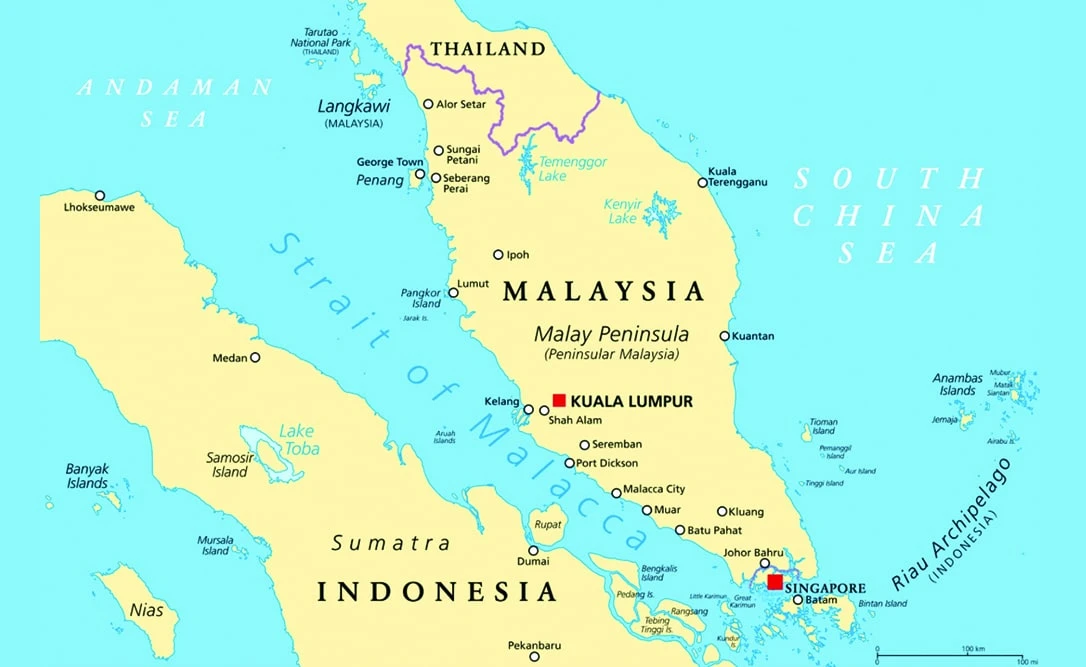
The author Professor Karim, who is a retired Lieutenant General of Bangladesh Army and an academician, has an enriching experience on the geo-politics of the Indo-Pacific region. The Author is tempted to write on this topic since “the Bay of Bengal is connected to the South China Sea (SCS) through the constricted and sensitive choke points of the Malacca Strait.”
The importance of the Bay of Bengal in the Indo-Pacific region is becoming a widely discussed topic due to its strategic significance and an emerging Indo-Pacific realm led by the United States. This area is a vital link between South and Southeast Asia and plays a significant role in the ongoing competition among global powers. The re-emergence of formal and informal alliances like Quad and AUKUS make the region pivotal for the coming years. The book fascinatingly comprehends the major issues like trade, economy, transportation, blue economy, climate, refugees, power struggle, and groupings in the Indian Ocean Region.
In the first two chapters, the author describes the background and the introduction of the Bay of Bengal and the surrounding region. Interestingly, the author has used the theoretical concept and approaches of the International Relations discipline with the application of regional threats and opportunities. That covers the balance of power, offensive and defensive realism, security dilemma, and deterrence. Furthermore, the author explicitly made the cases of balancing, hedging, and band-wagoning by the middle powers like India and Japan; Myanmar adopting band-wagoning in the U.S.-China rivalry in the Bay of Bengal theatre. Also, Sri Lanka can be seen balancing with China and India. (Page 10-18). Providing the instances from Alfred Mahan’ sea strategy, the author argues that China and India are modernizing and expanding their navies, even the smaller navies like Bangladesh and Myanmar are also following the ‘sea-power strategy’ (Page 21-22).
The book provides a remarkable explanation of the maritime territories in the Indo-Pacific region. It delves into the geopolitical aspects of the Indian Ocean and the Bay of Bengal. Additionally, it highlights the immense potential of littoral states such as India, Indonesia, Singapore, Malaysia, Thailand, Myanmar, and Bangladesh. (Page 33). The author cautions that the Malacca Strait, which consists of 572 islands and is home to one of the busiest Sea Lines of Communication, is a restricted passage and a sensitive area. If not managed responsibly by major powers such as the U.S., China, India, Japan, and Australia, it could become a potential flashpoint for conflict. Along with this, India is boosting its infrastructure at the strategically significant Andaman Nicobar Island to deter its archrival China which has developed its intelligence facility at closet Coco Island of Myanmar since the rivalry between the two Asian giants intensified after the Galwan face-off in 2020 and that prompted India to be an active member of the Quad grouping.
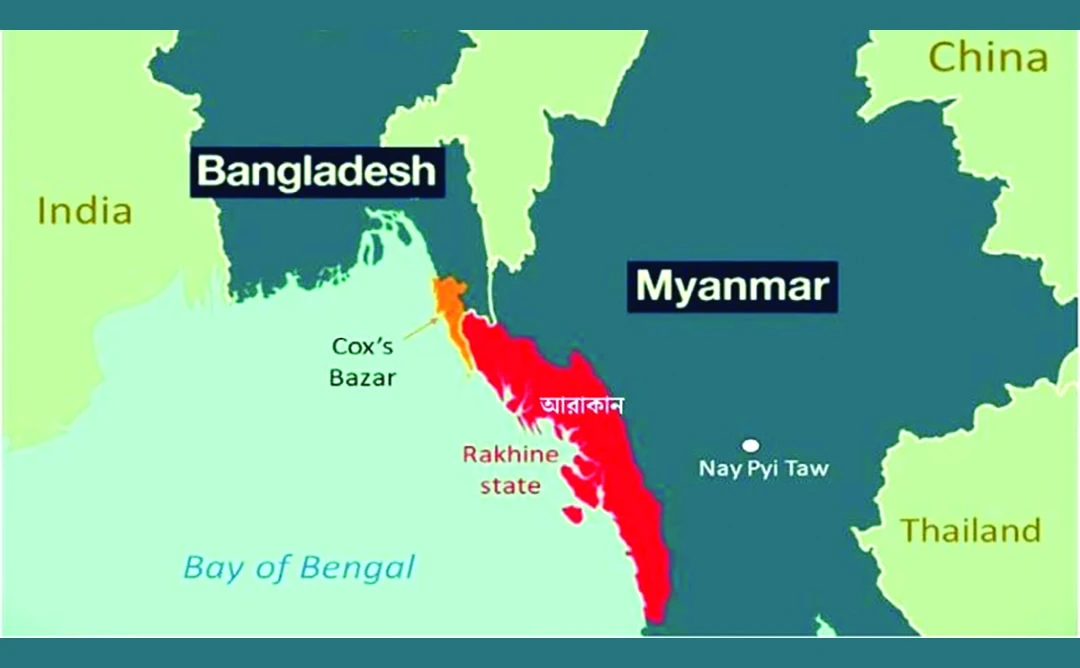
The author critically examines the grouping of the Bay of Bengal region like BIMSTEC and SAARC and highlights the domestic politics and inter-state rivalry hampers the progress of these full of scope organizations in the region. It also describes the human rights issue of Rohingya refugee in the strategically important Bangladesh and the geo-politics play of Myanmar, China, and the role of the United Nations in the “genocide” of Rohingya’s an ethnic and Muslim minority in Myanmar.

The book clearly explains the geopolitics and geoeconomics of China and India’s influence on Bangladesh, Sri Lanka, and Myanmar in Chapter 7. Professor Karim argues that these countries are interconnected and interdependent through trade and investment and cannot be separated. Chapter 11 of the book contains reflections and scenario development that are unique and easily understandable for readers. It depicts a futuristic environment of geopolitics and geoeconomics in the Bay of Bengal region, envisioning a “unified community” like the EU and ASEAN that would bring unlimited opportunities and benefits to regional countries.
In his concluding statements, Professor Karim expresses his disappointment that the Bay of Bengal region is plagued by intense geopolitical rivalry and cutthroat competition, which can be brutal. Furthermore, smaller countries in the region constantly face a security dilemma.
Reading a book with up-to-date information not only provides new knowledge but also gives the reader the opportunity to make connections between the politics, history, geography, and economics of the region. I find Professor Karim’s work to be quite thought-provoking, and it has even inspired me to reread the book. The figures and maps included in the work make it even more impressive and easier to understand.
I believe that the Indian Ocean Rim Association (IORA), a regional organization consisting of countries bordering the Indian Ocean, should be recalibrated to promote the region’s development. This is particularly important given the intense rivalry between the U.S. and China. It is worth noting that China established its own China-Indian Ocean Region Forum in 2022.
Reviewer Biography: Dr. Indu Saxena is a senior expert and fellow at the Consortium of Indo-Pacific Researchers. She writes on U.S. India Relations, South Asia, and Indo-Pacific Security.
আরও পড়ুন -